What is a stock count and why do you need one
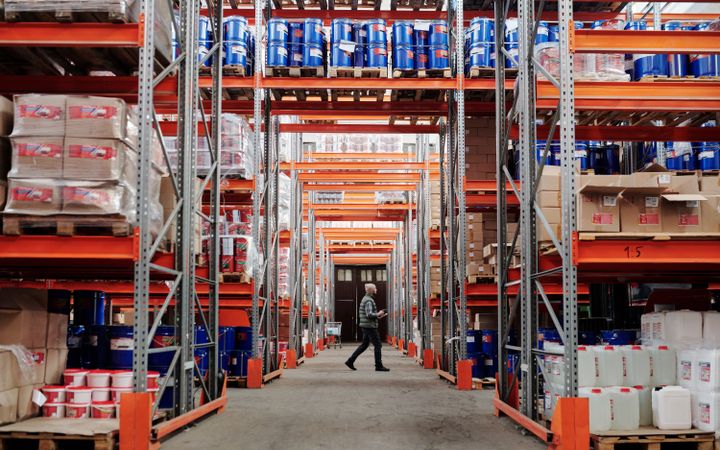
A stock count, or inventory count, is the process of physically checking the goods in your warehouse and comparing what you find with what your records say. It sounds simple, but it is the only way to know whether the numbers in your system describe reality.
Every warehouse drifts away from its records over time. Items are received without being booked, shipments are recorded late, goods are damaged or moved, and small typing mistakes add up. A count measures that drift and shows you where it comes from.
What a count actually checks
- The quantity of each item against the book balance.
- The location of goods: whether an item is where the system says it is.
- The condition of goods, including damage and expired batches.
- Items that exist on the shelf but are missing from the records at all.
Why it matters for the business
Wrong stock numbers affect almost every decision. Purchasing orders too much of what you already have and too little of what you need. Sales promise goods that are not there. Finance reports a profit that is not real, because the value of stock on the balance sheet is wrong.
A count also protects you from slow, quiet losses. Small shortages rarely stand out in daily work, but over a year they can become a significant amount of money. Regular counting makes these losses visible while there is still time to find the cause.
When to count
Most companies count at least once a year, often before closing the books. Many add spot checks or cycle counts through the year, especially for valuable or fast-moving goods. You should also count when a storekeeper changes, after a move or reorganisation, and whenever you suspect a problem.
What a good count looks like
A good count has a clear date and scope, a trained team, written instructions, and a way to verify results. Counted areas are marked, movements of goods are stopped or tightly controlled, and differences are rechecked before anyone changes the records.
A simple example
Imagine a warehouse where the system says there are 200 boxes of an item, but the shelf holds 185. A count reveals the gap of 15 boxes. Without it, purchasing sees plenty of stock, sales promise delivery and a customer is let down when the goods cannot be found. With the count, the 15 boxes become a question that can be answered: were they shipped without a document, damaged and thrown away, or booked into the wrong place?
Count what matters first
If you are new to counting, start with the most valuable and most frequently moved goods. A small first count that is done well builds the habit and shows the value of the exercise much faster than a huge count that is rushed.
Finally, a count is only useful if you act on the result. Record the differences, find the reasons, correct the system and fix the process that caused them. A count that produces a report but no changes will simply have to be repeated next year with the same problems.